
The Science and Sustainability Behind Flax Horse Bedding
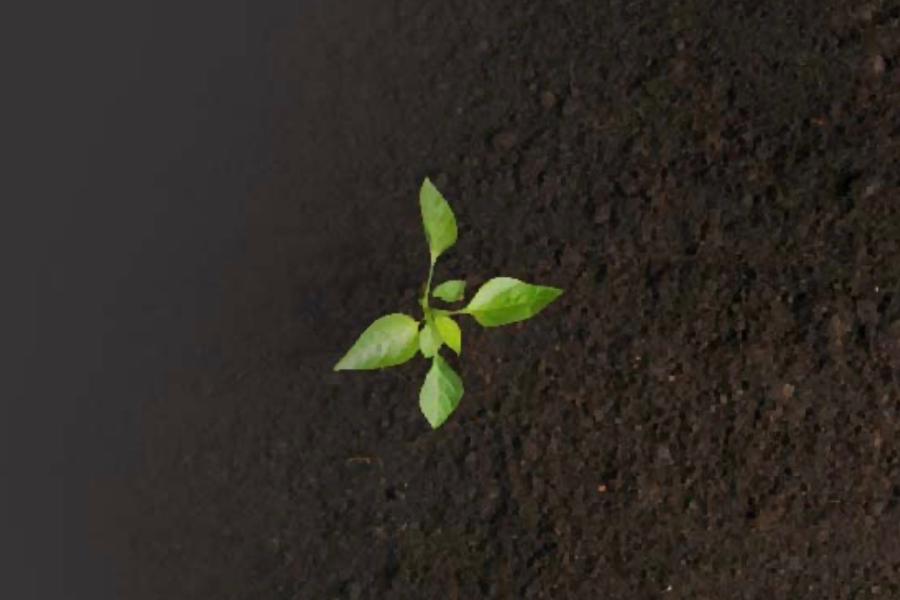
How a centuries-old European plant is reshaping horse care in America, improving equine health,
restoring soil, and redefining sustainability.
By: Christine Sanchez
A Cleaner Kind of Waste
Step into almost any American barn, and the earthy scent of wood shavings fills the air. It’s the familiar rhythm of daily horse care, the sound of forks, the shuffle of hooves, the comfort of routine. But behind that tradition lies a growing challenge: waste.
Every year, U.S. horse owners remove millions of cubic yards of used bedding mixed with manure, material that’s expensive to dispose of and slow to break down. For decades, we’ve accepted that as part of horse ownership. But a quiet movement, born in the flax fields of Europe, is beginning to change that thinking.
Flax bedding, made from the inner stalk of the flax plant, is showing American barns a new way forward. When horse urine meets flax, waste doesn’t end in a landfill. It begins a new life as fertilizer.
From Fields to Stalls to Soil
In Europe, flax bedding has been a staple for years. It starts with Linum usitatissimum, the flax plant used to make linen and linseed oil. Once the long outer fibers are removed for textiles, the woody inner core, called the shive, is processed into soft, absorbent bedding.
Flax’s natural structure gives it a remarkable advantage. Each flake is filled with tiny plant cells made of cellulose and pectin, materials that act like microsponges. When a horse urinates, those natural fibers immediately pull in the liquid and trap the ammonia and nitrogen compounds inside the structure of the plant material.
This is where flax becomes different from wood. Wood shavings only absorb; flax binds. Its plant chemistry includes hydroxyl groups, parts of the cellulose molecule that act like hooks. These hooks grab onto ammonia molecules, holding them tightly so they can’t escape as gas. That means fewer odors in the barn and less irritation to a horse’s lungs.
But here’s where the real magic happens. When used flax bedding is moved into a compost pile, microorganisms in the compost, bacteria and fungi, begin to break down those cellulose fibers. As they feed on the flax, they use the nitrogen that was captured from the horse’s urine. During this natural process, microbes convert ammonia into nitrates, the exact nutrient plants need to grow.
What began as waste in the stall becomes fertilizer. The same nitrogen that once produced odor in the barn is returned to the soil as nourishment for crops and pastures.
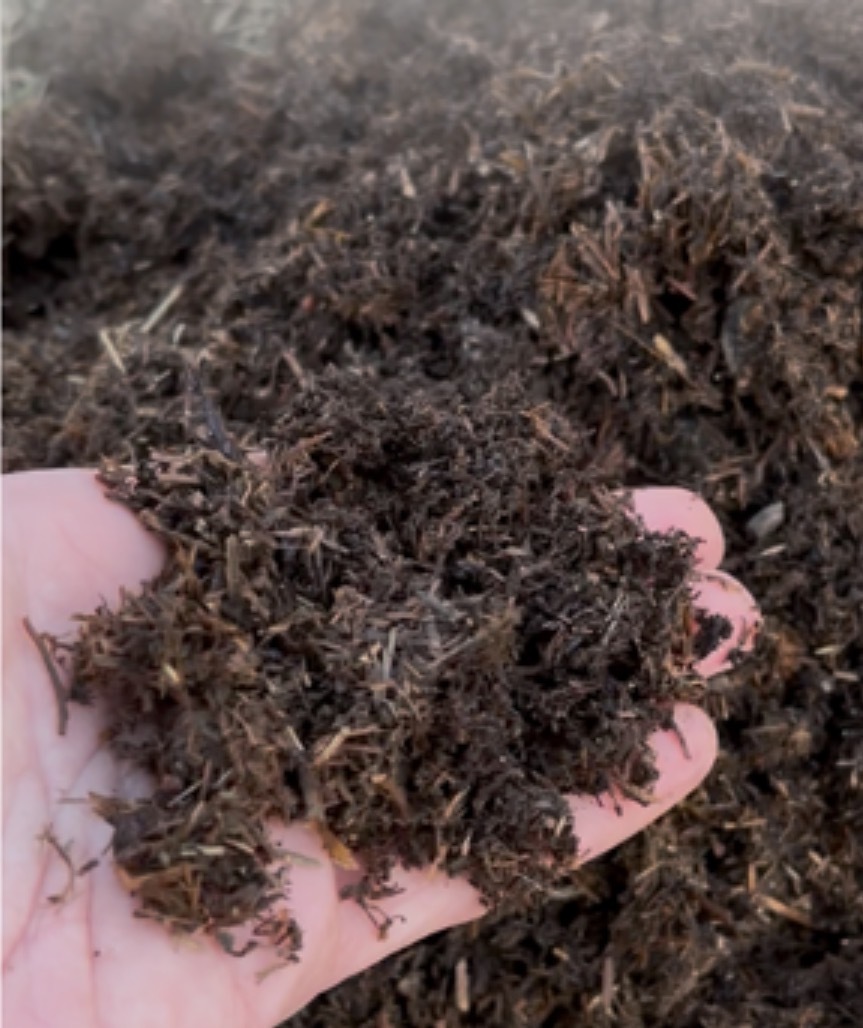
That transformation is fast. Because flax fibers are simple and natural, they break down within two to three months, compared to wood shavings, which can take nearly a year. The end result is a dark, rich compost full of organic matter and beneficial microbes, a living material that can be spread directly onto fields or gardens.
“When your horse’s urine meets flax, biology takes over, and waste becomes life again.”
Why Wood Shavings Can’t Keep Up
Wood shavings have been the foundation of American barns for generations, but their chemistry works against the idea of composting. Wood is made mostly of lignin, a dense, complex structure that microbes can’t easily digest. That’s why wood shavings can take six months to a year to fully break down.
During that long process, wood bedding does more harm than many realize. As microbes attempt to decompose wood, they pull nitrogen from the surrounding environment to fuel the breakdown. This process, called nitrogen immobilization, leaves soil depleted of one of the nutrients most critical for plant growth.
The result is compost that’s often imbalanced, high in carbon, low in nitrogen, and difficult for plants to use. When spread too soon, it can actually starve the soil, forcing farmers to add costly fertilizers just to restore balance.
That’s why many farmers, especially those managing productive soil or growing crops, refuse manure mixed with wood shavings. It can disrupt soil chemistry, lower fertility, and stunt plant growth. Because of this, most wood-based compost never reaches fields. Instead, it’s hauled away and dumped into landfills, where it breaks down slowly and releases methane, a potent greenhouse gas.
It’s an expensive, wasteful cycle that removes valuable organic matter from agriculture and adds to environmental strain.
Flax bedding keeps the cycle alive. It composts quickly, enriches soil, and feeds the same farms that feed us, closing the loop instead of clogging landfills.
“Wood takes, flax gives.”
A Win for the Environment and the Wallet
The environmental story of flax bedding is powerful, but the economic one matters just as much. When used bedding can be composted safely and effectively, the need for costly waste removal drops dramatically.
Instead of paying for disposal, horse owners can repurpose composted bedding as natural fertilizer or share it with local farms and gardeners who value its nutrient balance.
That compost isn’t just clean. It adds organic matter, restores microbial life to the soil, and improves its ability to hold water and nutrients. Because it’s pH-balanced and nitrogen-rich, it can safely rejuvenate pastures and enrich cropland.
What once left the property as waste comes back as life.
The Flax Bedding Cycle: A Closed-Loop System
The beauty of flax bedding lies in its simplicity and its ability to complete a natural circle of renewal. Each stage connects to the next, creating a continuous, sustainable loop.
Flax grows in the field, is processed into bedding, used in the stall, composted naturally, returned to the soil, and grown again.
Every step gives back. The flax plant that began as a crop ends as nourishment for the next one, transforming daily stable waste into living soil that supports farms, pastures, and future harvests.
“From field to stall to soil, flax bedding turns everyday horse care into an act of regeneration.”
Cleaner Air, Healthier Soil, Smarter Horsekeeping
Beyond economics, flax bedding improves daily barn life. By binding ammonia, it keeps barn air cleaner and reduces odors that irritate both horses and humans. Because it composts naturally, there’s less lingering waste, fewer flies, and no chemical residue.
It’s rare to find a solution that improves comfort, health, environmental impact, and cost at the same time. Flax bedding turns an unavoidable chore into something meaningful and regenerative.
“When your horse’s waste becomes tomorrow’s fertilizer, you’re not just caring for your barn, you’re caring for the planet.”
The Bottom Line
Flax bedding isn’t just another alternative. It’s a smarter, more sustainable way forward for American stables. It composts quickly, enriches soil naturally, and transforms one of the biggest challenges in horse ownership into something positive and productive.
This isn’t about replacing tradition. It’s about improving it. Flax offers a simple, natural way to work with the environment instead of against it, closing the loop between barn and earth.
The horses we love are not only part of our lives, but part of a greater cycle of renewal. When their daily work meets the natural chemistry of flax bedding, waste becomes nourishment and care becomes restoration. Together, horse and flax help rebuild living soil that feeds crops, supports farmers, and strengthens the land we all depend on.
In this small but powerful partnership, the horse gives back more than we take. Cleaner stalls. Healthier soil. Stronger farms. That is the quiet, hopeful promise of flax bedding and the healing connection it restores between our horses and the earth beneath them.