
Winter Hoof Care: Essential Tips to Keep Your Horse Sound All Winter
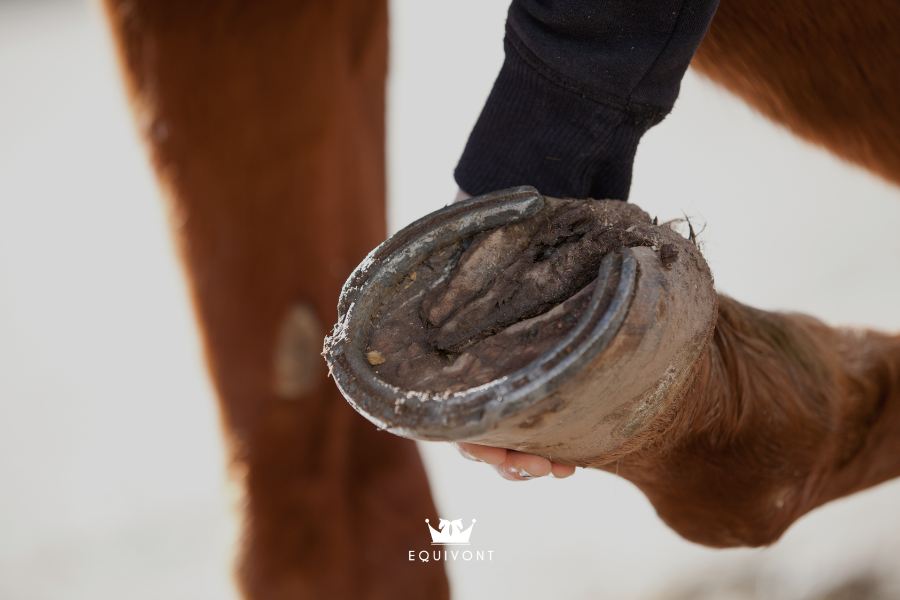
Winter can be one of the most challenging seasons for maintaining healthy hooves. Cold temperatures, wet footing, snow, mud, and frozen ground all put added stress on your horse’s feet. Without proper winter hoof care, issues like thrush, cracks, abscesses, and lost shoes can quickly develop.
By making a few strategic adjustments, you can protect hoof health through the colder months and set your horse up for success when spring training begins.
Why Winter Hoof Care Is So Important
During winter, hooves often grow more slowly, but environmental stress increases. Moisture, temperature changes, and reduced turnout can weaken the hoof capsule and compromise soundness if not managed carefully.
Consistent Winter Hoof Care Helps:
- Prevent thrush and bacterial infections
- Reduce cracking and chipping
- Maintain proper balance and soundness
- Avoid costly setbacks when riding intensity increases
1. Maintain a Consistent Farrier Schedule
Even in the off-season, regular farrier visits are essential. Skipping or stretching appointments can lead to imbalance, flares, and cracks that worsen on hard or frozen ground.
Whether your horse is shod or barefoot, staying on schedule helps maintain healthy hoof structure throughout winter.
2. Manage Moisture to Prevent Thrush
Wet winter conditions create the perfect environment for thrush and hoof infections. Snow melt, rain, and muddy turnout areas soften hooves and allow bacteria to thrive.
Best Practices For Winter Hoof Health:
- Pick hooves daily
- Keep stalls clean and dry
- Use thrush prevention products as needed
- Avoid excessive hoof oils on already soft feet
- Dry, clean hooves are your first line of defense.
3. Prepare Hooves for Snow and Ice
Snow buildup in shod horses can cause uncomfortable “snowballs” and increase the risk of slipping.
Talk To Your Farrier About:
- Snow pads or rim pads
- Traction options for icy conditions
(Barefoot horses may still experience bruising on frozen ground, so monitor sensitivity closely and adjust turnout or riding plans if needed.)
4. Support Hoof Health Through Nutrition
Hoof quality starts from the inside. Winter diets often shift to primarily hay, which can change nutrient intake.
A Balanced Winter Diet Should Support:
- Strong hoof growth
- Healthy horn quality
- Overall soundness
Key nutrients include protein, zinc, copper, and biotin (if recommended by your vet or farrier). Many spring hoof issues can be traced back to winter nutrition gaps.
5. Avoid Extreme Temperature Changes
Repeated exposure to warm wash racks followed by freezing temperatures can stress the hoof capsule and contribute to cracks.
Whenever Possible:
- Allow hooves to dry completely before turnout
- Limit unnecessary hot-cold cycles
- Use warm water thoughtfully during freezing weather
6. Watch for Early Signs of Hoof Problems
Winter hoof issues often develop slowly. Catching them early prevents bigger setbacks.
Watch For:
- Cracks or excessive chipping
- Increased digital pulse or heat
- Tenderness on hard or frozen ground
- Changes in movement or stance
Prompt attention keeps small issues from becoming season-ending problems.
In Conclusion...
Winter is a maintenance season. Consistent, thoughtful care makes all the difference. Prioritizing farrier visits, moisture control, proper nutrition, and early intervention helps keep your horse sound, comfortable, and ready for the season ahead.
At Equivont, we believe strong foundations create successful partnerships. Healthy hooves are where it all begins.